A different kind of tool

Your story.
Told the way
it deserves
to be told.

Bespoke Books doesn't write your book for you. It gives you the structural intelligence, genre craft, and editorial support to tell a story a human reader will actually want to finish.

An honest note before you read further: what the engine produces is a serious draft — coherent, structured, genre-aware, and close. Close is not finished. The Editor's Chair is where you shape, refine, and own it. This is a collaborative process, not a vending machine.

Most people with a story to tell never tell it. Not because they lack imagination — because the gap between having a story and having a manuscript has always required something most people don't have: months of uninterrupted time, fluency in narrative craft, and the discipline to hold seventy thousand words in coherent tension from the first chapter to the last.

AI writing tools have tried to solve this with autocomplete — better paragraphs, faster. That's a useful thing. It's not the same thing as helping you tell a story. A story has structure, genre, an emotional arc, characters whose fates matter, and an ending that earns everything that came before it. Paragraph-level tools can't think at that scale. They don't know what kind of book you're writing, what the reader is carrying from chapter four into chapter five, or whether the ending honours the promises the opening made.

The gap we're closing isn't between slow writers and fast ones. It's between people who have stories and people who have books.

Bespoke Books is built on a different theory. A book is not a sequence of well-crafted scenes — it's a journey the reader takes, where every chapter changes what the next one means. Building something a human reader will genuinely want to finish requires thinking at the level of the whole: genre contract, emotional arc, character investment, structural coherence across a hundred pages. We've encoded that thinking into the engine — so you can spend your energy on the ideas that only you have, and trust the craft infrastructure to hold them.

What you get from the engine is a serious draft. What you make of it — in the Editor's Chair, with your judgment about what's working and what isn't — is the book. That distinction is the whole product.


Honest about what this is

Set the right expectation
before you start.

What Bespoke Books gives you

A structured, genre-aware draft — built from your seed idea, with a story bible, chapter skeleton, beat-level planning, and arc-aware prose across all twelve chapters.

Craft intelligence you don't have to supply. Genre conventions, narrative arc, character continuity, sensory grounding, pacing — the structural knowledge of what makes a book in your genre work for its readers.

An editorial workbench, not a download button. The Editor's Chair gives you prose, flags, continuity data, and AI-assisted suggestions — chapter by chapter, before anything is finalised.

A path to publishable. When you've approved every chapter, the engine packages a KDP-ready EPUB with cover brief, description, and keywords. You're close. You're not automatically done.

Full ownership of everything you create. Commercial rights, no royalty share, no attribution requirement. What you make is yours.

What it doesn't do

Replace your judgment. The engine produces a draft. You decide what's working, what needs reshaping, and what only you know how to fix. That's not a limitation — it's the point.

Guarantee publish-ready output. Every chapter needs your review. Some will need light refinement. Some will need more. The Editor's Chair is where that work happens, and it can't be skipped.

Supply the ideas. The engine handles craft structure. The world, the characters, the wound at the centre of the story, the specific details that make a book feel real — those come from you. Better seed, better book.

Work without your engagement. Authors who treat this as a vending machine get vending machine output. Authors who treat it as a collaborator — shaping the seed, reviewing carefully, pushing back in the Editor's Chair — get something worth publishing.

Your role in the process

This is a collaboration.
Here's what you bring
to each step.

1

Author

Shape your story in the Composer

The Composer asks the questions a developmental editor would ask: who is this character, what do they want, what are they afraid of, what kind of story is this? Your answers are the creative foundation everything else builds from. The more specific and honest your seed, the more distinctive the book. The engine can't invent a protagonist with a genuine wound — that has to come from you.

The ideas are always yours
2

Engine

The engine builds the structure and writes the draft

From your seed, the engine constructs a story bible, chapter skeleton, and beat plan — then writes full prose for all twelve chapters, arc-aware and genre-calibrated. It tracks what the reader is experiencing chapter by chapter, ensures continuity holds, and flags its own uncertainties. What you get is a serious first draft — coherent, structured, and close to publishable. Not finished. Close.

~10–14 hours of generation
3

Author

Read, refine, and approve in the Editor's Chair

The Editor's Chair is a full manuscript workbench — prose, continuity data, flags, AI suggestions, version history. You read every chapter. You decide what to accept, what to push back on, and what to refine. This is where your authorship is most visible. The engine surfaces possibilities and problems. You make the calls. No chapter is finalised until you approve it.

Your judgment shapes the final book
4

Author

Publish what you're proud of

When every chapter is approved, the engine packages a KDP-ready EPUB — cover brief, description, keywords, formatted to Amazon's spec. The decision to publish is yours, on your timeline, when you're satisfied. Most authors publish after one or two passes through the Editor's Chair. Some take longer. That's not a failure of the tool — it's the process working correctly.

Your book. Your rights. Your name.

What we believe about fiction

The principles behind
every decision we've
built into the engine.

A book is a journey,
not a document.

Readers don't finish books because they're well-structured. They finish because something is at stake, and they need to know what happens. Every chapter the engine writes is calibrated to where the reader is in that journey — not just what happened in the prior chapter, but what the reader is feeling, expecting, and carrying forward. Accessible and coherent isn't a floor. It's the standard every chapter is built to.

Genre is a contract
with the reader.

When a reader picks up a cozy mystery, they're choosing a specific experience — warmth around the edges of the crime, a puzzle that resolves fairly, a community that holds. That contract is encoded into how the engine builds and writes each genre. Not as a style guide — as structural constraints on what each chapter must deliver. Every genre has its own reader promise. Every book the engine generates is built to honour it.

The ending must earn
what came before it.

The most common failure in generated fiction isn't bad prose — it's an ending that doesn't honour the book's opening promises. The engine tracks those promises from chapter one: what the reader was told to expect, what the story committed to delivering, what would feel like a betrayal if left unanswered. The resolution is built to honour those commitments — not because a checklist said so, but because a reader who finishes the book should feel the journey was worth taking.

The author's judgment
is irreplaceable.

The engine has craft intelligence. It doesn't have your instincts, your specific vision, or your sense of when a scene is working. The Editor's Chair exists because no generation pipeline produces a finished book — it produces a draft that needs a human author to read it, push back, and decide what it actually is. That's not a workaround. It's the design. The human in the loop isn't a safety net. They're the author.

Read the proof

Books built with
this process.

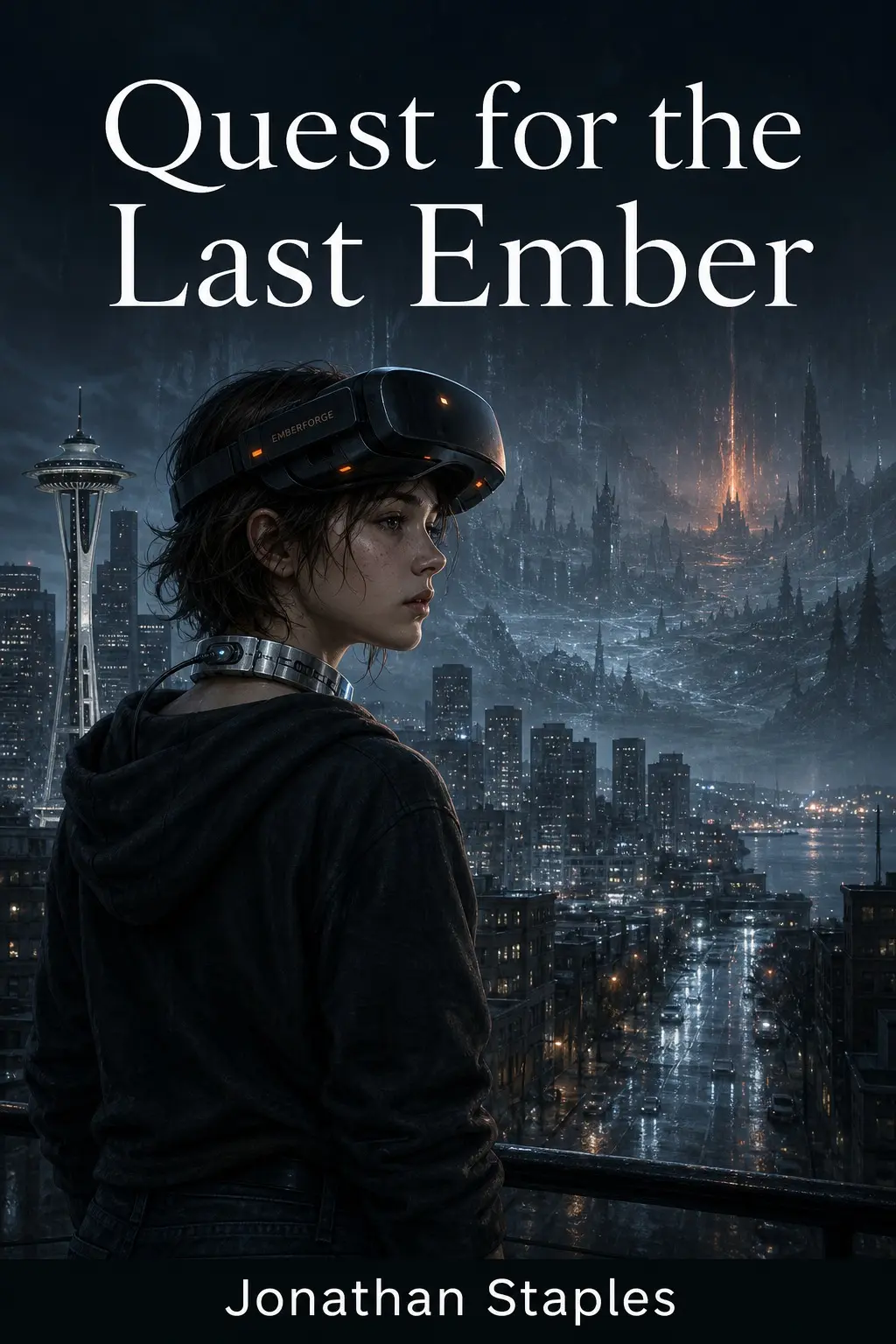
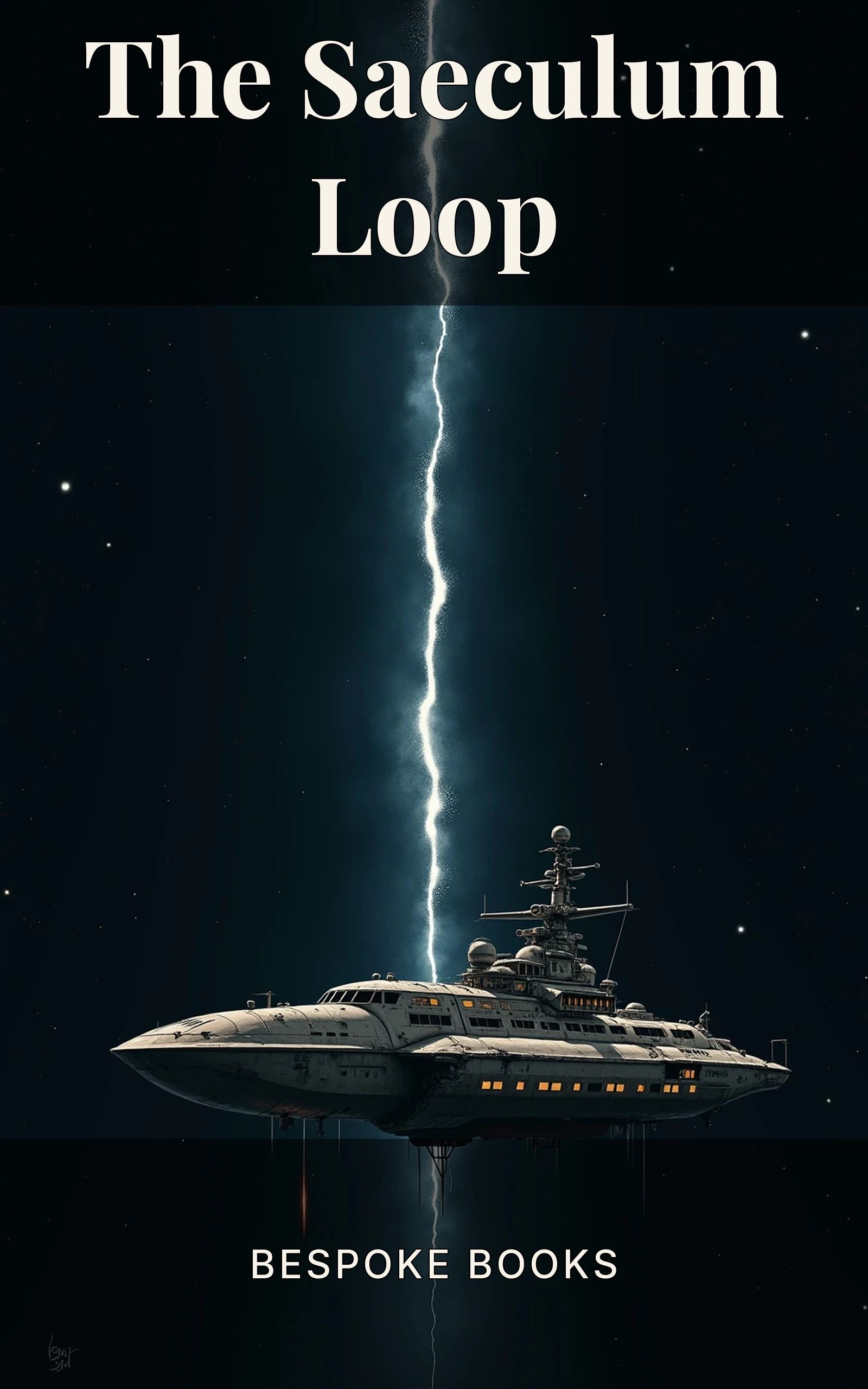
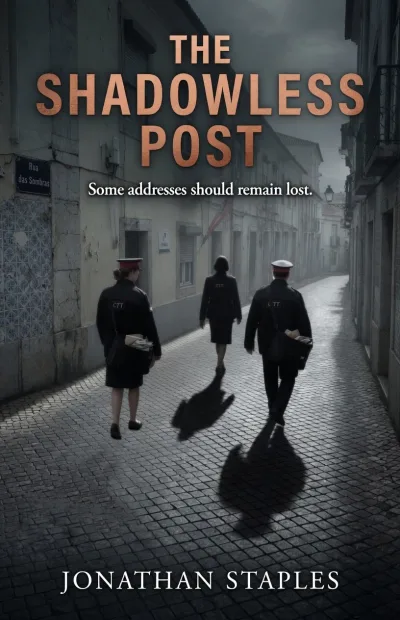
Each of these started as a seed — an idea, a character, a world. The engine built the structure. The author shaped it in the Editor's Chair. What you're reading is the result of both.

These are chapter-one excerpts. No cherry-picking — the opening of the book, as the author approved it.

Read a full opening chapter →

Your story is waiting.
Let's tell it properly.

Start with an idea. The Composer builds the foundation. The engine writes the draft. You shape it into the book it should be.

Start with the Composer →